
The Dachshund in an Apartment: A Complete Guide to a Happy Life
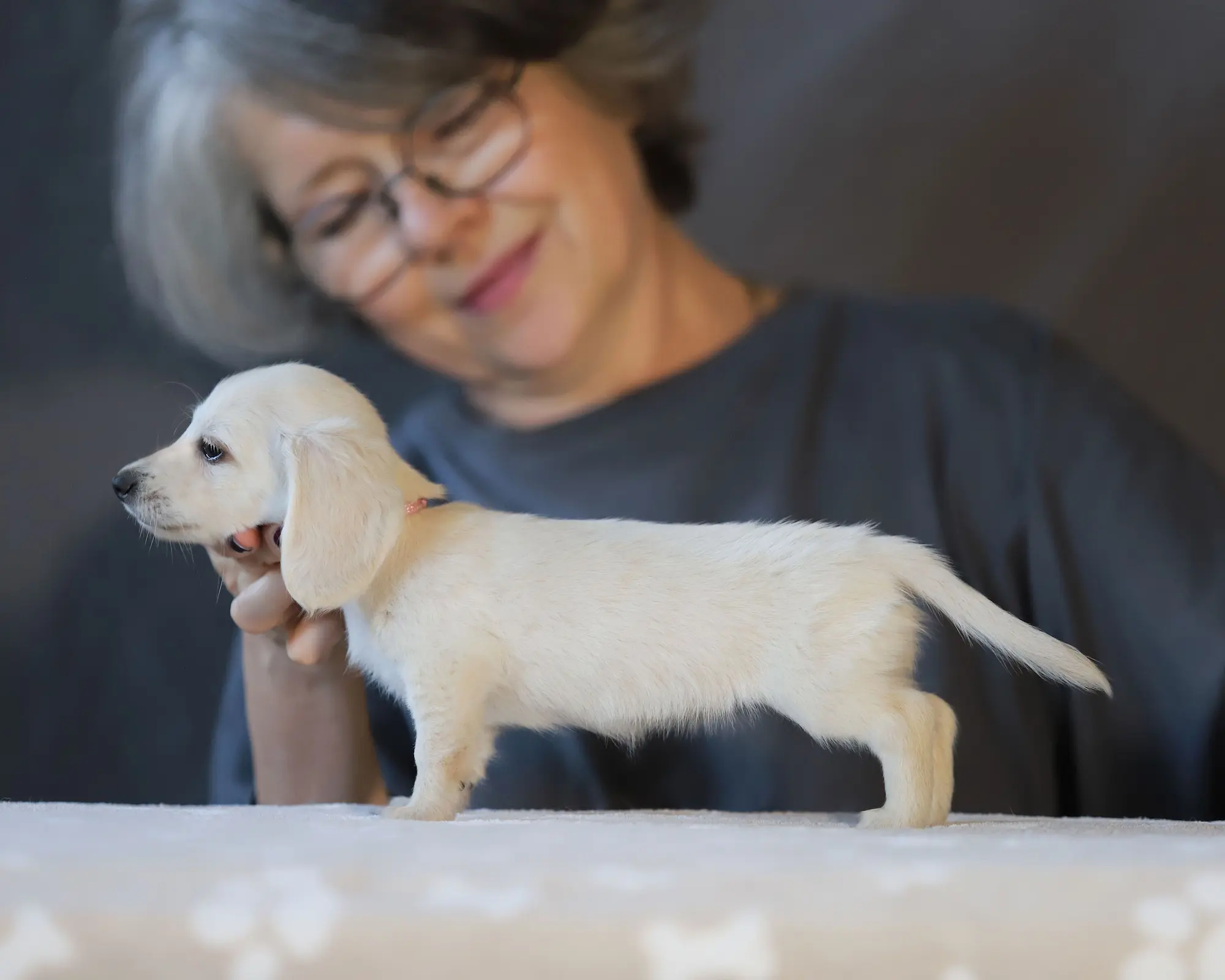
The Dachshund, with its elongated body and short legs, is known for its charm, playful character, and sharp intelligence. But can this energetic little companion adapt to apartment life? The answer is a resounding yes! With proper care, good training, and an enriching environment, a Dachshund can be perfectly happy in an apartment.
The Dachshund’s temperament: a good apartment dog?
The Dachshund has a strongly assertive character. Although historically bred for hunting, Dachshunds are also affectionate companions who love being close to their owners. Their strong attachment to family means they adapt well to a confined lifestyle as long as they receive enough attention.
Physical needs in an apartment
The Dachshund is an energetic dog requiring regular physical activity — this is especially true for dapple and piebald Dachshunds, whose lively temperament may call for extra stimulation.
- Daily walks — at least two a day, 20–30 minutes, varying the route.
- Indoor play — interactive toys, treat hide-and-seek, fetch with a small ball.
- Mental stimulation — dog puzzles, scent-search games, new tricks.
The ideal environment for an apartment Dachshund
- Securing the apartment — put away anything dangerous, secure balconies against falls.
- A cozy corner — a comfortable bed or a small “den” where it can feel safe.
- Access to toys — chew toys, plush toys, interactive toys to prevent destructive behavior.
Managing barking in an apartment
Dachshunds are known as vocal dogs: their hunting instinct drives them to bark to signal their presence or warn of anything that seems suspicious.
- Early training — teach commands like “Quiet” or “Stop,” reward silence on command.
- Managing boredom — enough distractions and regular interaction.
- Socialization — early exposure to various sounds and situations.
House-training in an apartment
- Frequent outings — ideally every two to three hours, especially after meals, naps, and play.
- Rewards and positive reinforcement — immediate treats or praise after every successful outdoor trip.
- Indoor accidents — never punish; clean with an enzymatic cleaner so the smell doesn’t attract the dog back.
Managing loneliness
Dachshunds don’t like being left alone for long periods and can suffer from separation anxiety.
- Gradual preparation — slowly increase the length of absences.
- Distractions — interactive toys, chew treats, familiar background noise (radio, TV).
Advantages and challenges of an apartment Dachshund
Advantages: manageable size, strong affection for constant closeness, moderate exercise needs compared to larger breeds.
Challenges: tendency to bark, house-training can take longer without a garden, risk of boredom and destruction without enough stimulation.
Tips for success with an apartment Dachshund
- Create a stable routine, at the same times each day.
- Socialize regularly at dog parks or meeting places.
- Respect its physical limits: avoid frequent stairs and jumps from high surfaces to protect its back.
Owner testimonials
Julie, owner of a cream Dachshund in the Paris region, says: “My Dachshund loves his cozy spot by the window. He can watch passersby, and that keeps him stimulated even indoors. Regular walks and play are essential, but he seems happy in his space as long as he’s near me.”
Another owner, Marc, explains: “It took time for our Dachshund to stop barking at every noise in the hallway, but with patience and training, he’s much calmer now.”
The Dachshund and apartment life
A Dachshund can be an excellent apartment companion, provided its specific needs are met. With attention to exercise, proper training, and mental stimulation, it can thrive even in a small space.