The Dachshund's Temperament: A Dog With a Big Personality
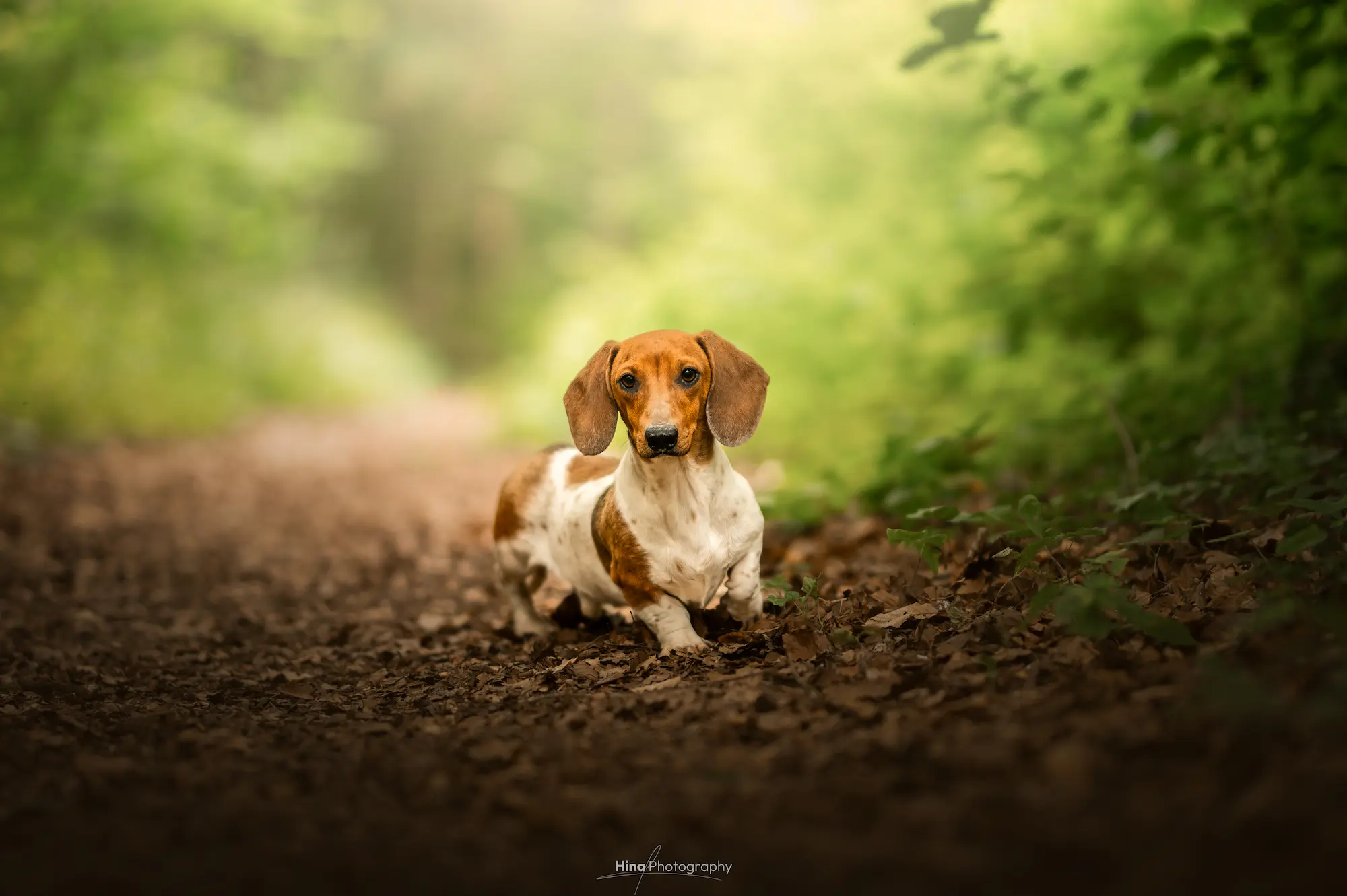
The Dachshund, often called “Dachshund” in its native Germany, is a breed known for its unusual build and short legs. Its personality goes well beyond that build: the Dachshund combines character, intelligence, courage, and determination.
The Dachshund is often described as a “big dog in a small body.” Despite its modest size, it carries an impressive strength of character: stubborn, playful, affectionate, but also wary, even a touch bull-headed.
History and origins: the legacy of a determined hunter
The Dachshund originates in Germany, where its name literally means “badger dog.” These dogs were originally selected for their ability to flush out and hunt badgers and other burrowing animals. Their distinctive build — an elongated body and short legs — is the result of rigorous selection designed to help them infiltrate burrows.
This pest-hunting role heavily shaped the Dachshund’s temperament: unwavering courage, determination and tenacity, and a strong instinct to dig, search, and track scents.
Modern breeding has diversified the breed (smooth, long-haired, wire-haired coats; standard, miniature, kaninchen sizes), but the historical legacy persists: independence, initiative, and confidence in its own abilities.
General character traits
The Dachshund is above all an energetic, intelligent, sharp-witted dog. Its intelligence shows in remarkable adaptability, but also in a certain ingenuity when it comes to getting what it wants.
Courage is another defining trait: despite its small size, the Dachshund won’t hesitate to stand up to bigger, more imposing opponents.
The Dachshund is also known for its loyalty. Once bonded to its family, it becomes very affectionate. Some develop a particularly strong bond with one person, becoming a true “one-person dog.”
On the flip side, the Dachshund can be wary of strangers, making it a good watchdog. It’s also a sensitive dog that can be affected by tension within the household.
Temperament by coat variety
- Smooth-haired — closest to the original type, dynamic, confident, sometimes more reserved and stubborn.
- Long-haired — considered the gentlest and most affectionate of the three, often calmer and more patient.
- Wire-haired — the most rugged, determined, playful, sometimes more prone to stubbornness and mischief.
How size affects temperament: standard, miniature, kaninchen
- Standard — closest to its hunting origins, an assertive character, higher activity needs.
- Miniature — a slightly more docile temperament, while retaining the breed’s intelligence, determination, and energy.
- Kaninchen — very lively, agile, an adventurous spirit in a mini frame, slightly more delicate.
Hunting instincts and their impact on character
- Tracking scents — a Dachshund’s nose is exceptional, and can make it less attentive to commands on walks.
- Digging — a behavior rooted in its original function as a burrow hunter.
- Watchdog behavior — a marked instinct for vigilance, barking to signal strangers.
- Need for mental and physical outlets — scent games, foraging toys, hidden-treat searches.
The importance of socialization
Early, ongoing socialization — starting at the breeder’s and continued at home — makes for a more balanced Dachshund, less wary of strangers and better adapted to daily life. Never force an interaction: let the dog approach at its own pace.
The Dachshund in the family: children and other animals
- With children — an excellent companion provided its space is respected and rough handling avoided; supervision is recommended with young children.
- With other dogs — often sociable, can be territorial toward unfamiliar dogs; gradual introductions help.
- With cats and other pets — depends on socialization; the predatory instinct can awaken around a fearful animal.
Training tips and methods
- Positive reinforcement — praise, kind words, treats; avoid harsh punishment.
- Clear, consistent rules — no occasional exceptions that would confuse the dog.
- Mental stimulation — scent games, interactive toys, varied obedience exercises.
- Leash walking and recall — patience is needed since its nose leads it to follow scents.
- Professional dog trainer — valuable help in case of difficulties.
Adapting your lifestyle
- Regular exercise — beyond short daily walks, it enjoys longer outings and play sessions.
- Preventing back problems — avoid excessive jumping and repeated stairs, maintain an optimal weight.
- A place in the family — it dislikes prolonged solitude and enjoys taking part in everyday life.
- Respecting its individuality — every Dachshund has its own personality, moods, and preferences.
A small dog with a big personality
The Dachshund’s temperament combines energy, intelligence, and character in a miniature body. Historically a brave hunter, it has kept a strong temperament, marked independence, and an exceptional nose, along with great loyalty and a sincere attachment to its family.
If you’re won over by this wonderful breed, feel free to browse our available puppies.